
The patrons watching Screen 8 in Galway’s Eye Cinema may or may not have been fully absorbed in their film that September Thursday evening — but what followed was something no one could have anticipated.
Water was first “observed leaking into” the auditorium, and staff responded immediately, guiding the public to safety in a calm and orderly way. Not long after the evacuation, a “deluge of water entered the building with massive force.”
Reports described water powerful enough to dislodge seating, force open an emergency exit, and spill from the upper floor, carrying external cladding with it and damaging vehicles in the car park outside.
Fortunately, and most importantly, there were no serious injuries.
One cinema-goer recalled:
“We were just watching a film… suddenly there was water everywhere. We left through the fire escape — some people walked out ankle-deep in water.”
More than three months on, the cinema remains closed as repairs continue. Beyond the physical damage, closures of this scale can lead to lost revenue, disruption for staff, and a long journey back to normal operations.
A Broader Reflection on Roof Vulnerability
We cannot — and should not — speculate on the specific cause of this event. That is a matter for the building experts involved, and each incident is shaped by its own unique circumstances.
But events like this highlight a wider truth familiar across the commercial and industrial sectors:
Large roof structures can be placed under immense pressure during periods of heavy rainfall.
Common industry challenges include:
- Large roof surfaces holding significant volumes of water
- Drainage systems becoming overwhelmed, particularly during extreme weather
- Ageing surfaces becoming less resilient over time
- Hidden weaknesses that are not easily visible
- Structural stress accumulating gradually
Just one inch of water across a 2,000 m² roof can weigh over 50 tonnes. Even well-designed buildings can experience strain under that kind of load.
Strengthening Roof Resilience
Routine cleaning and maintenance play an important role in roof care — and are a core part of responsible building management. Protective systems, including waterproof coatings, work alongside these practices to help roofs cope better with the unexpected.
High-performance coating systems can:
- Add protective strength to ageing or vulnerable roofing
- Improve performance during sustained rainfall
- Reduce stress from standing water
- Extend the useful life of existing roofs
- Support maintenance teams by reinforcing key areas
Coatings are not a replacement for regular roof care — they are an additional layer of protection that helps buildings withstand pressures that routine maintenance alone cannot always control.
Supporting Commercial & Industrial Buildings
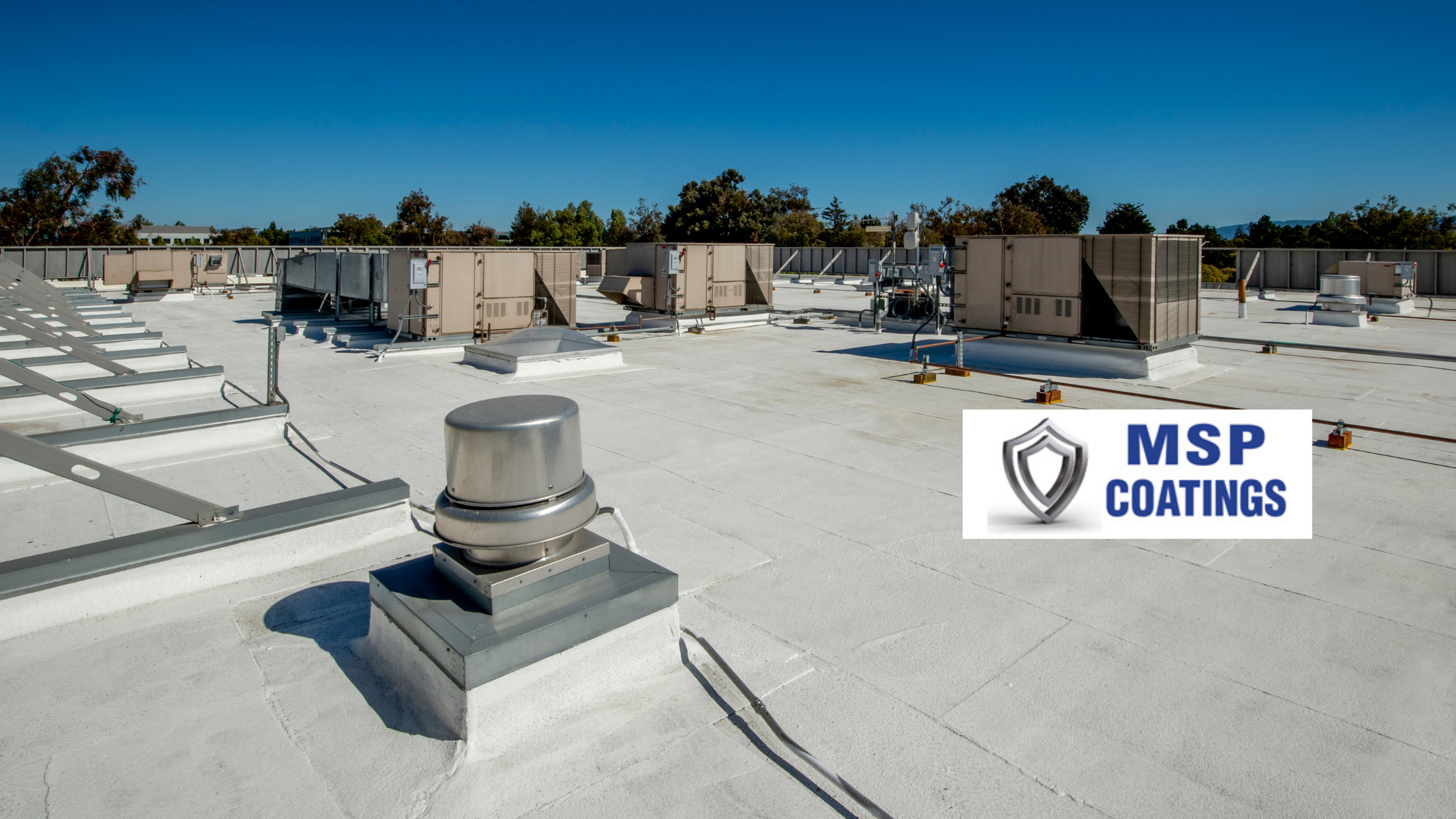
At MSP Coatings, we work with building owners, contractors, and maintenance teams who want to make their buildings more resilient. Our waterproof roofing systems are used across:
- Warehouses
- Retail premises
- Industrial units
- Hotels
- Public buildings
- Manufacturing facilities
- Large commercial roofs
Each solution is designed to provide long-term protection and enhance the roof’s ability to cope with challenging weather conditions.
Final Thought
The Eye Cinema incident is a reminder — not of blame or failure — but of how powerful water can be when conditions align in the wrong way. It highlights the importance of layered protection, responsible maintenance practices, and investing in resilience long before problems appear.
Protecting a roof is ultimately about protecting everything beneath it: people, operations, and continuity.